
Fear of visibility isn’t about wanting attention; it’s about the cost of being seen in a world that rewards polish more than truth. This is one of those posts I usually resist writing—the kind that isn’t perfectly polished or designed to perform well. It’s messier than that. But it’s honest. And as 2025 comes to a close, honesty feels more necessary than presentation.
I am exhausted—deeply, almost to the cellular level. Not the kind of tired that a few days off can resolve, but the kind that comes from years of effort, emotional regulation, and constant adaptation. Lately, one idea has been circling me: the fear of visibility.
Fear of Visibility in a Curated World
We live in a hyper-curated era where visibility is treated like currency. If you’re not seen, you’re not relevant. If you’re not consistently sharing, refining, or positioning yourself, you risk fading into the background. Some women move through this with ease, appearing polished, magnetic, and endlessly worthy of attention. Others—especially those who don’t fit a narrow or palatable mold—experience visibility as labor. As something that must be earned. As something that requires approval.
I’ve been blogging for nearly ten years across a range of subjects, including fitness—an especially unforgiving space when your body, identity, or perspective doesn’t align with what society deems acceptable. Being visible isn’t something I shy away from, but that doesn’t mean it hasn’t been costly. Especially now, as I look toward 2026 and think seriously about how I want to use the time I have left on this planet and the lessons I’ve been given.
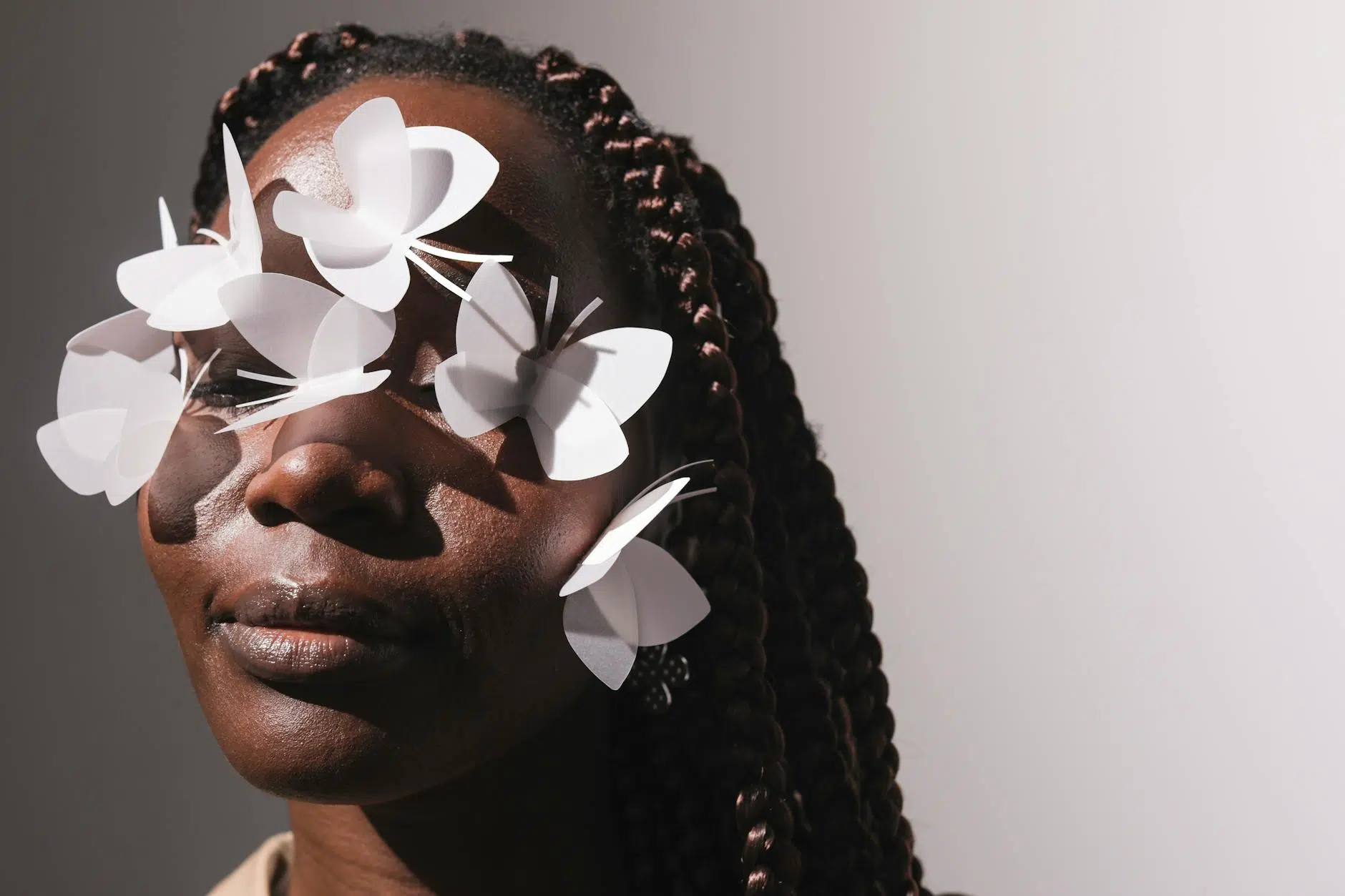
How the Fear of Visibility Shows Up for Women Professionals
The fear of visibility shows up in different ways. Some women fear being judged for being too much, too unconventional, or not interesting enough. Others fear boundaries being crossed because too many people interpret sharing as permission. And then some women are deeply capable—brilliant even—but whose self-concept hasn’t yet caught up to their potential. When your inner knowing outpaces your identity, stepping forward can feel destabilizing.
There are also women whose insights stretch beyond what the collective is ready to tolerate. Women who see systems clearly, who name inconvenient truths, whose ideas don’t fit neatly into professional language or personal branding frameworks. Visibility for them isn’t just vulnerable—it can feel professionally risky. Many learned to survive by perfecting a professional veneer, but that structure is quietly deteriorating.
There is a particular exhaustion that comes from shrinking yourself just enough to remain acceptable by editing your language, softening your insights, or delaying your voice until it feels “safe enough” to land. Over time, that restraint disconnects you from your own authority. The fear of visibility isn’t only about being seen—it’s about being misunderstood, misused, or prematurely dismissed. Yet withholding your perspective also carries a cost. When you repeatedly silence what you know to be true, you don’t just protect yourself; you abandon parts of your leadership, creativity, and discernment. And that quiet self-abandonment accumulates.
Visibility, Self-Trust, and Stepping Into 2026
As I move toward 2026, one thing feels increasingly clear: if I want to flourish, I have to be at peace with being seen. As someone who lives at the intersection of intuition and practicality, vision and execution, visibility isn’t optional—it’s the terrain itself.
And still, it’s scary. It’s scary to imagine wanting something different, especially if you’ve failed before. It’s scary to step out again after disappointment or self-doubt. But you deserve to have what you want. You deserve a life that reflects your full capacity, not just what feels safe.
Expanding Your Capacity to Be Fully Seen
So as you create vision boards or gather for goal-setting conversations, I invite you to ask yourself:
- What kind of year do I want to live?
- Am I fully using my brilliance right now?
- How would it feel to live a life I designed without outside influence?
- Am I ready to expand my capacity to receive what I say I want?
Ask these questions when you’re feeling hopeful—when your nervous system is calm enough to recognize your own depth without skepticism creeping in.
If this resonates, I hope you’ll share it with your networks or use it as a conversation starter in your planning spaces. My wish for you is restoration as 2025 closes—and the courage to enter 2026 fully visible, on your own terms. And if you need help to make your 2026 the year of brilliance, head over to grab your discovery call while you can!